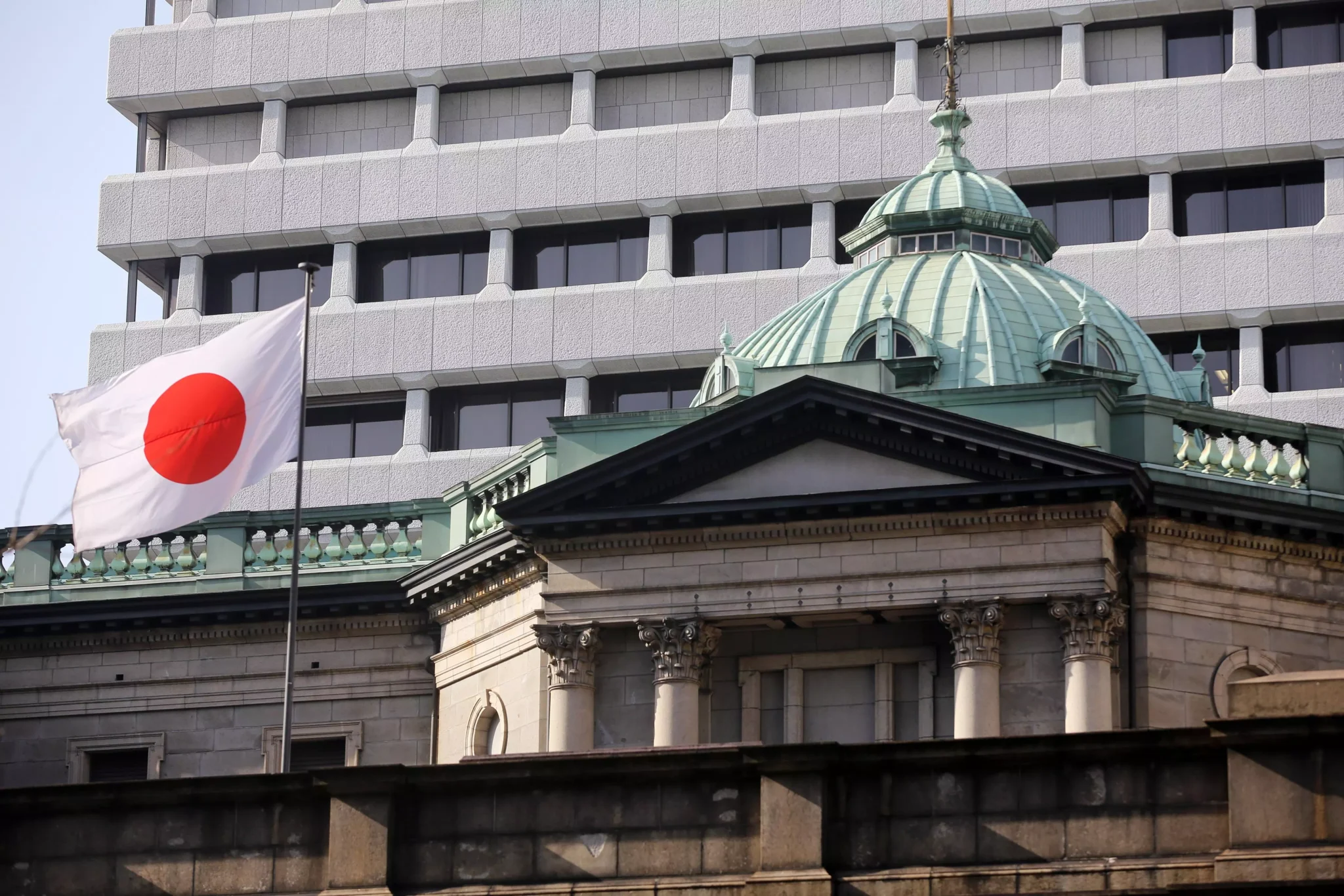
Tokyo – A senior official at the Bank of Japan said they would continue to raise interest rates if economic forecasts materialize. This statement reinforces the tightening trend despite new surveys showing that rising fuel costs linked to the Iran war are putting pressure on companies.
In his speech to parliament on Friday, Koji Nakamura, the Director of Monetary Policy at the Bank of Japan, stated that high oil prices not only pose a risk to economic growth but can also raise long-term inflation expectations and increase core inflation.
You can subscribe to the “Week Ahead” newsletter, which offers insights and ideas from Reuters’ global financial commentary team, here.
Nakamura said that with companies becoming more willing to raise prices and wages, the core inflation pressure from oil could be greater than in the past.
Nakamura said, “If our economic and price projections materialize, we will likely continue to raise interest rates,” and added that the degree and timing of future increases would depend on economic, price, and financial conditions.
“At each policy meeting, we will make an appropriate decision by updating our economic and price projections and our views on risks based on the current data,” he added.
Nakamura’s comments emphasize that even as new pressures from outside Japan increase, the BOJ is ready to continue with moderate interest rate hikes. The rising fuel costs and more expensive imports due to the weak yen are increasing domestic inflation, making the central bank’s delicate balancing act more challenging.
This message came as the BOJ has been increasingly adopting a hawkish tone in recent weeks; this rhetoric has led the markets to price in a nearly 70% probability of another rate hike within this month.

However, the backdrop is quite tense. Japan’s heavy reliance on Middle Eastern fuel leaves its economy extremely vulnerable to energy shocks and supply disruptions caused by war.
These tensions are already reflected in the corporate sector. According to a survey published on Friday by the private think tank Teikoku Databank, business confidence sharply deteriorated in March; many sectors, from transportation and retail to machinery and chip production, are concerned about high fuel costs.
This is the first time since September 2023 that confidence has deteriorated across all 10 sectors covered in the online survey conducted between March 17-31, weeks after the US-Israel attacks on Iran on February 28. The yen has lost more than 2% against the dollar since the war began.
According to the survey, a fertilizer producer stated, “Rising crude oil prices are increasing a wide range of input costs, while the flow of goods is slowing down.”
A separate private survey published on Friday painted an equally bleak picture, showing that service sector growth has fallen to its lowest level in three months and confidence has dropped to its weakest level since the 2020 pandemic.
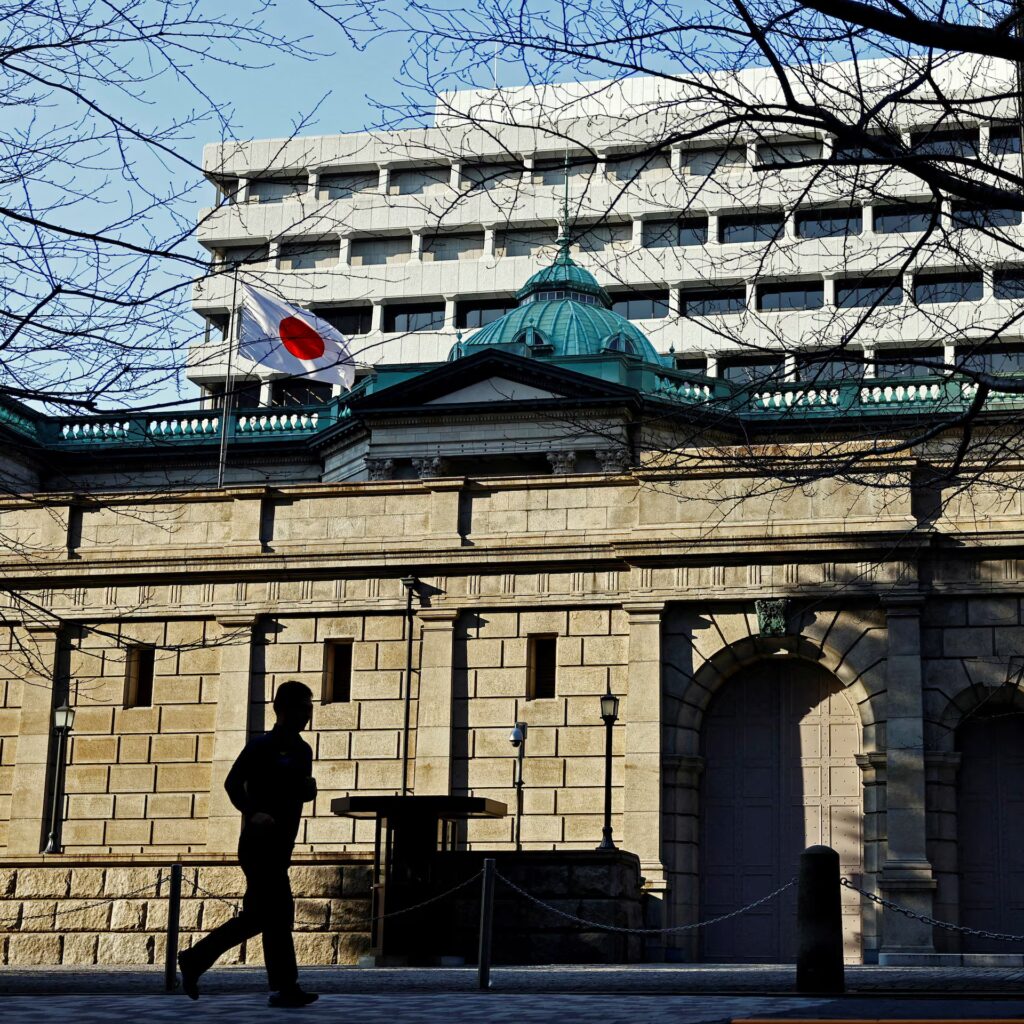
While Bank of Japan (BOJ) officials warn that the war has the potential to fuel inflation, other analysts believe that the anticipated shortage of naphtha and other chemical goods could represent a greater threat and destabilize the already shaky economy. The central bank may provide further detail on how it considers these conflicting risks in its quarterly regional report, which will be released on Monday.
The BOJ stopped its decade-long major stimulus program in 2024 and raised interest rates numerous times, with the short-term policy rate reaching 0.75% in December, the highest level in 30 years.
Chairman Kazuo Ueda declared unequivocally that as long as a modest economic recovery keeps inflation within the bank’s 2% target, the door to interest rate hikes remains open.