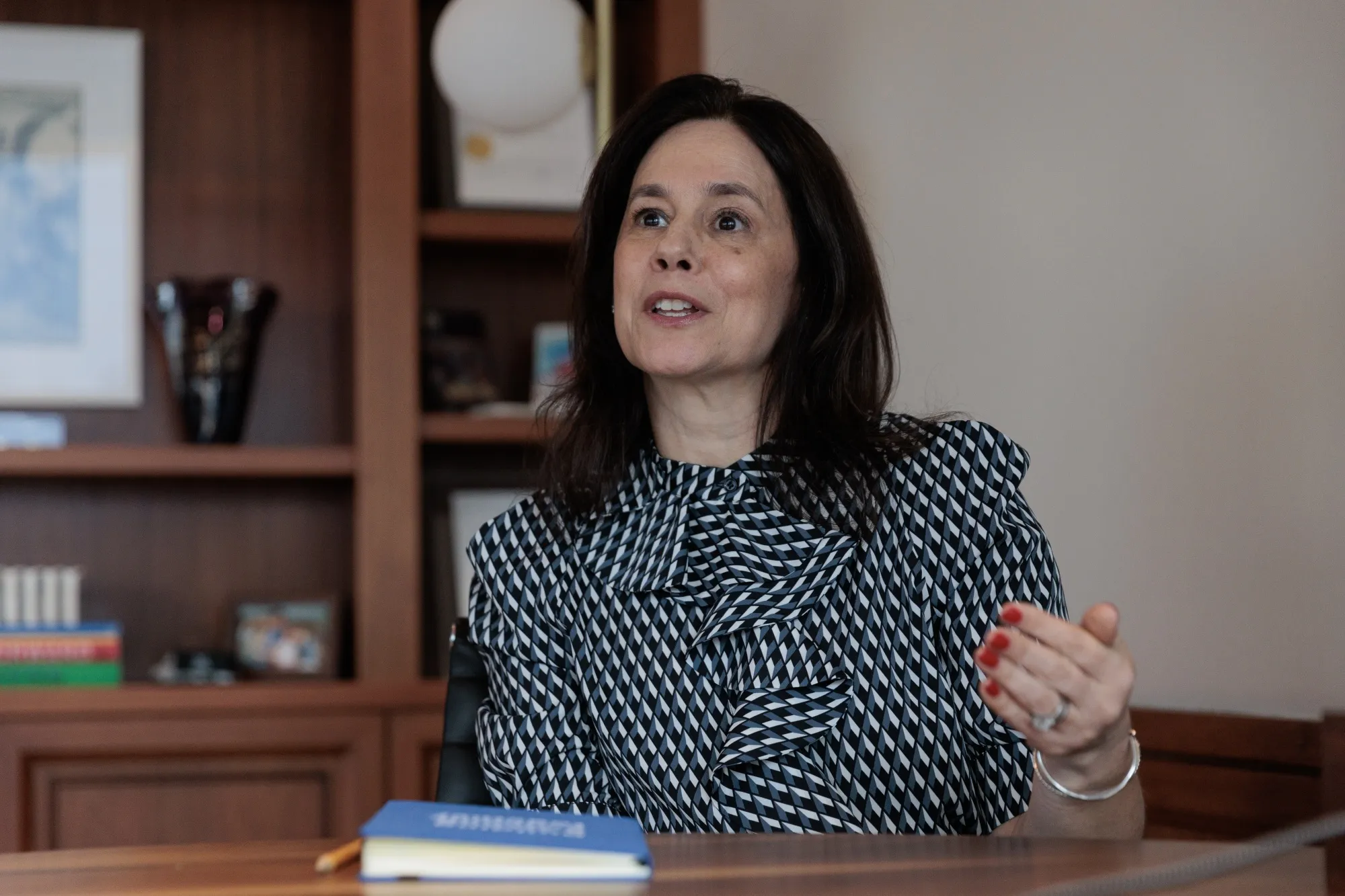
Dallas Federal Reserve President Lorie Logan said on Thursday that U.S. oil producers are unlikely to boost output and shield consumers from higher gasoline prices any time soon.
Stating that the price U.S. producers want to see in order to start drilling operations is slightly below $70 per barrel, which is well below the current price of approximately 10 per barrel, Logan said at a conference organized by the regional Fed bank: “Prices need to be maintained at or above this breakeven level so that companies can make the necessary investments, which could eventually provide relief for consumers.” Logan, stating that the price U.S. producers want to see to start drilling is just below $70 per barrel, which is well below the current price of about 10 per barrel, said at a conference held at a regional Fed bank: “Prices need to be sustained at or above this breakeven level so that firms can make the necessary investments, which could eventually provide relief for consumers.”
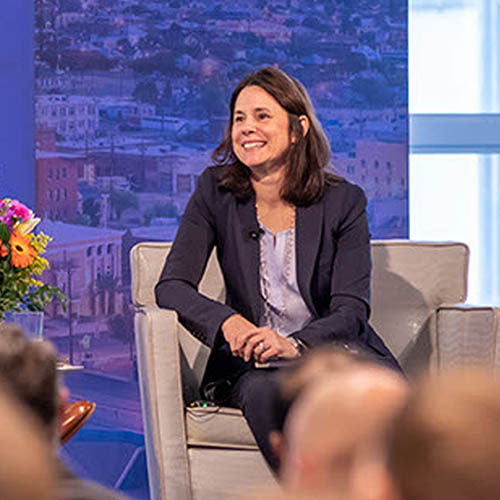
Logan said that U.S. oil companies “should have a sense that these high prices will continue for a while longer, and therefore, I haven’t heard that we will see a dramatic increase in production in the short term.”
Logan’s comments indicate that the rise in energy prices due to the US-Israel war with Iran will continue to be a short-term issue for inflation and overall economic activity, despite the US having buffer mechanisms that other countries closer to the conflict do not possess.
The Dallas Fed President stated that inflation continues to be one of the most important economic concerns. “Regarding inflation, even before the conflict in the Middle East, I wasn’t sure we would be moving toward our 2% target,” he said. “Restoring price stability, bringing inflation back to 2%, is incredibly important because stable inflation is the bedrock of a strong economy.” “Restoring price stability and bringing inflation back to 2% is incredibly important because stable inflation is the cornerstone of a strong economy.”
Repeating the monetary policy view of many of her colleagues, Logan said the current uncertainty means the Fed should watch and wait as it gathers information on the economy’s performance.
“I really enjoy thinking about events thru scenarios right now,” Logan said. “I think the policy is positioned to adjust based on incoming data, and we are ready to make adjustments to the policy path as needed. “I think the policy is positioned to adjust itself based on incoming data, and we are ready to make adjustments along the policy path when necessary.”
ENERGY PRICE WOES
Rising energy prices currently pose a significant challenge for the Fed. The US central bank had lowered interest rates by 0.75% last year to support the softening labor market amid still high price pressures.
The war is increasing the risk of further inflation, creating new problems for the job market and overall economic growth. As a result, the Fed, tasked by Congress with controlling inflation and promoting maximum sustainable job growth, faces a challenging balance.
The central bank traditionally ignores energy price increases because they temporarily affect overall price pressures and have a limited impact on core prices. However, St. Louis Fed President Alberto Musalem said in a statement on Wednesday that the current prolonged period of inflation above the target increases the risk of energy inflation becoming a longer-term economic problem.
In a note published by Capital Economics, it was stated that the “indirect” effect of higher energy prices on inflation could vary from 0.7% in the US to approximately 1.5 percentage points in the Eurozone, with the UK and Japan possibly falling somewhere in between.
The Personal Consumption Expenditures Price Index, the Fed’s preferred inflation gage, rose 2.8% in January and, more troublingly, 3.1% excluding food and energy costs.
Inflation fears have led to speculation in the markets that higher interest rates may be needed to counter rising inflation. The Fed left its benchmark overnight interest rate in the 3.50%-3.75% range at last month’s meeting and released projections showing policymakers expect a rate cut in 2026.
Logan said the war “increased our level of uncertainty about the economy and future outlook, making our jobs more complex because it increased the risks on both sides of our tasks.”
If the war is resolved quickly, he stated that its economic impact would probably be “moderate.” However, he also added that a longer-lasting war could have more “negative” effects, which could “move in opposite directions regarding our dual mission and cause significant tension between our responsibilities.”