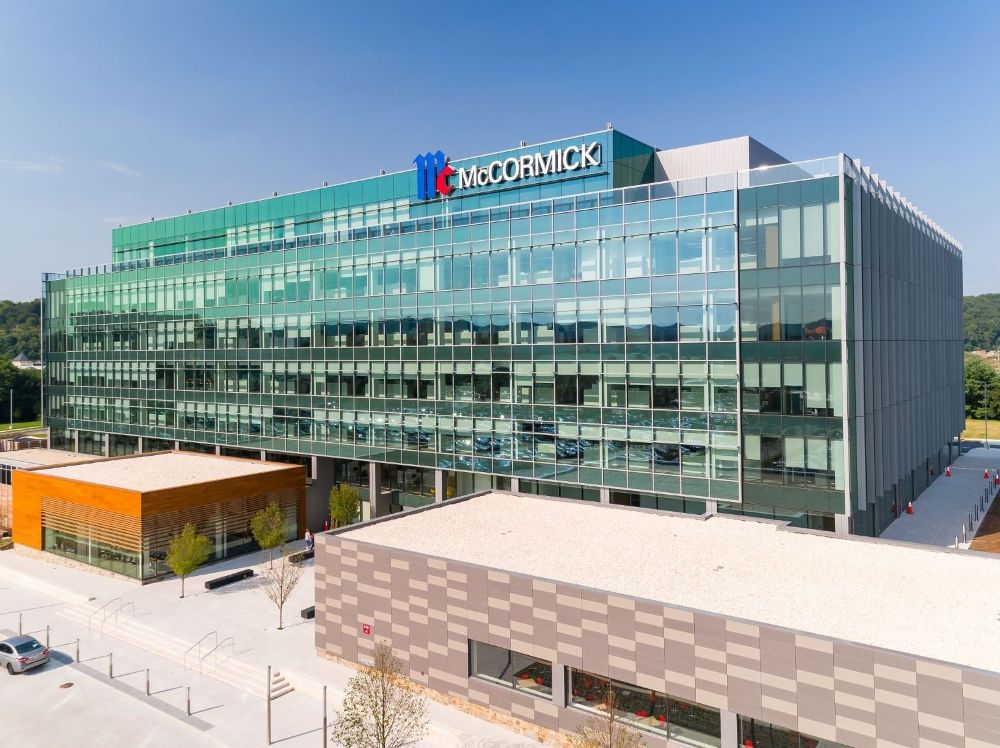
Two major mergers involving U.S. food companies, occurring within 24 hours, have achieved a success not seen in the consumer sector for over a decade, ranking among the largest global transactions of the first quarter.
This week’s back-to-back announcements – Sysco’s 9 billion acquisition of Jetro Restaurant Depot and McCormick’s $45 billion acquisition of Unilever’s food business listed on the London Stock Exchange – reflect a broad reshaping across the industry in response to changing consumer tastes, rising tariffs, and slowing growth.
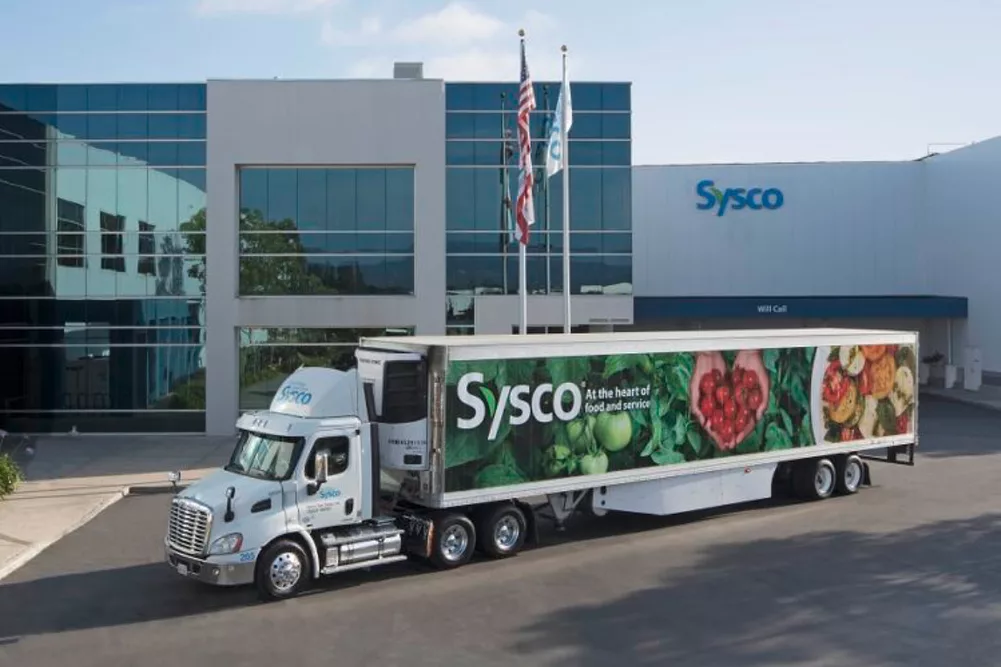
The deal by spice producer McCormick ranked second globally in the first quarter, following Amazon’s $50 billion investment in OpenAI, while the deal by food distributor Sysco ranked seventh – according to LSEG data, this is the first time since 2015 that two U.S. consumer deals have entered the top 10 in the same quarter. Such rankings are dominated by deals in sectors like technology and energy; consumer companies rarely stand out.
According to LSEG, the two consumer deals in 2015 were Coty’s acquisition of Procter & Gamble’s beauty business and the merger of three Coca-Cola bottling companies.
Big deals in the consumer sector are not limited to food. Talks are ongoing between Jack Daniel’s maker Brown-Forman and France’s Pernod Ricard and beauty company Estée Lauder and Barcelona-based Puig; these combinations could create companies worth tens of billions of dollars.
Jens Welter, co-head of Citi’s North America investment banking division, said, “The dynamics around alcoholic beverages are different from non-alcoholic beverages, non-alcoholic beverages are different from food, and non-alcoholic beverages are different from beauty.” “Most fast-moving consumer goods companies have emerged from a period of high inflation that has affected consumers and volume growth…” Therefore, alternative growth paths are being sought, and this is happening thru consolidation. “Therefore, alternative growth paths are being sought, and this is happening thru consolidation.”
Mega deals across all sectors reached record levels in the first quarter, with many being cross-border. Market participants said that becoming a more global company without being overly reliant on a single market provides a safeguard in an increasingly volatile world.
Against this backdrop, the acquisitions had been in the works for years for both McCormick and Sysco.
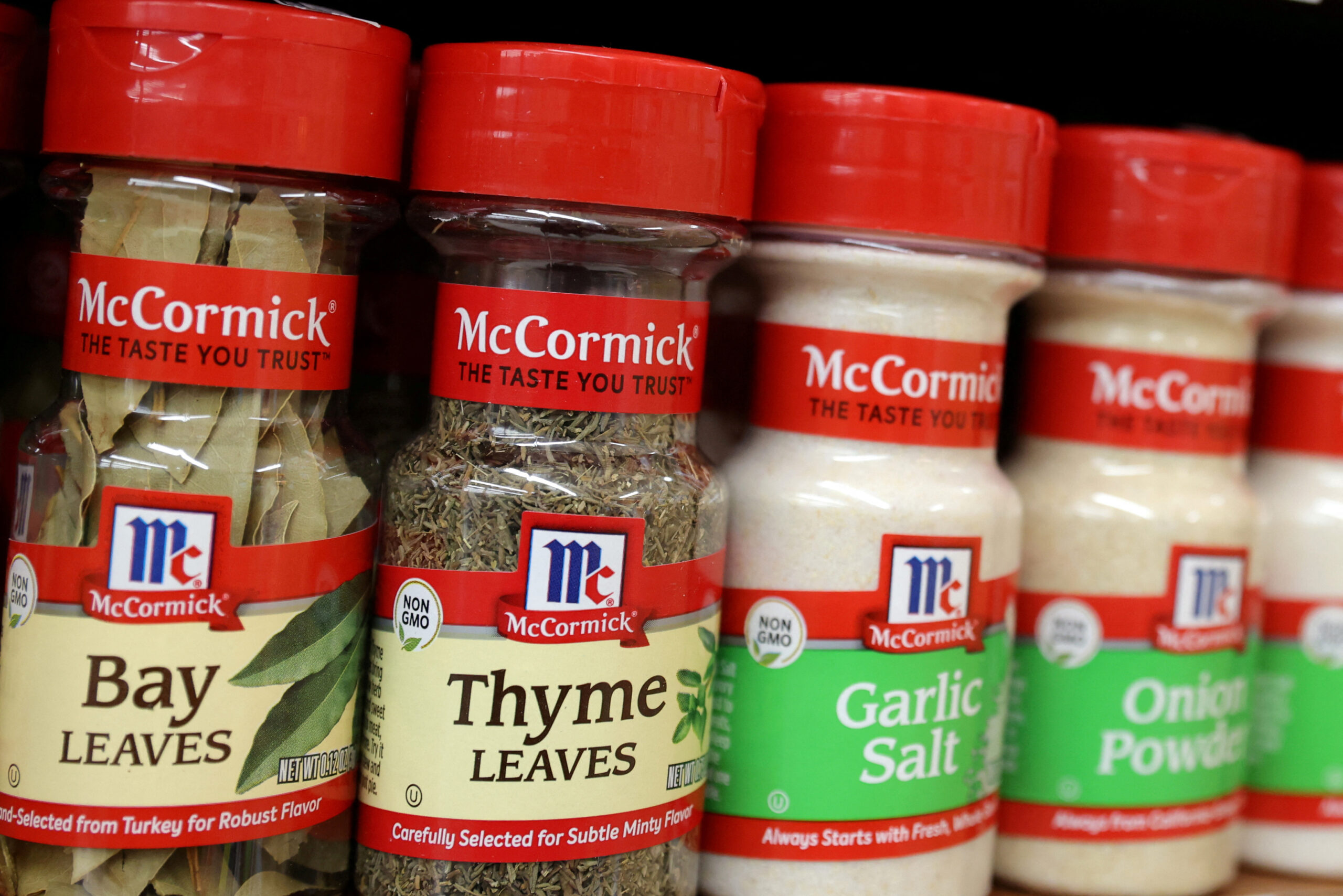
Unilever had been divesting its food business for years, and in December, it completed the separation of its ice cream unit, leaving Hellmann’s and Knorr as its largest remaining food brands. When new CEO Fernando Fernandez began signaling a sharper focus on beauty and wellness, McCormick interpreted it as a sign that the food business was up for grabs, a source familiar with the matter said. In September, Fernandez said at the Barclays consumer conference: “I have seven clear priorities: more beauty, more health, more personal care, more premium products, more e-commerce, more U.S., more India…” Beauty and personal care currently account for 51% of our revenue, and we aim to increase this to two-thirds of our revenue in the medium term. Beauty and personal care currently make up 51% of our revenue, and we aim to increase this to two-thirds of our revenue in the medium term.” At Jetro Restaurant Depot, succession was a significant factor.
At Jetro Restaurant Depot, succession was a significant factor. The founder of the private, family-owned company, Nathan Kirsh, is in his 90s and his children do not run the business. In an interview with Reuters, Sysco’s CEO Kevin Hourican said they decided that the best place to carry the family’s business to the next generation was Sysco.
As a key point, Brown-Forman, Pernod Ricard, Estée Lauder, and Puig are also supported by founding families.
“The market environment is quite unstable and shows no signs of stabilizing, so scale and diversification are incredibly critical,” says Jeannette Smits van Oyen, head of global consumer and retail investment banking at JPMorgan. “Also, it is no coincidence that during these times it is becoming more fundamental to evaluate what the alternatives to these decisions might be for family members.” Additionally, it is not coincidental that during these periods, evaluating how alternatives to these decisions might be for family members has become more fundamental. Analysts and sources familiar with the companies said that any deal between Brown-Forman and Pernod Ricard or Estée Lauder and Puig would be at least partially defensive.
Analysts and sources familiar with the companies said any deal between Brown-Forman and Pernod Ricard or Estée Lauder and Puig would be at least partly defensive. The alcoholic beverage sector is facing slowing sales and a generational shift as younger consumers drink less, while prestige beauty companies are under pressure to better compete with L’Oréal, which bought Kering’s beauty division last year.
PwC’s U.S. consumer markets deals leader, Mike Ross, said consumer companies are under more pressure than ever to stay ahead of rapidly changing generational tastes. “They need to be much more agile and ready to adapt to these signals faster than ever before,” he said.
Overall, this activity indicates that there will be more deal momentum in the consumer sector for the rest of the year.
Smits van Oyen said, “These deals will never happen until they happen, and they will lead to the final deals.”